
Organ Donation: An Expression of Universal Brotherhood


. Addressed on the Occasion of the General Assembly of the National Transplant Network and the Pontifical Academy for Life:


Your presence here testifies to the commitment of so many healthcare workers, specialists, and volunteers who, with skill and dedication, serve human life in its most fragile moments.

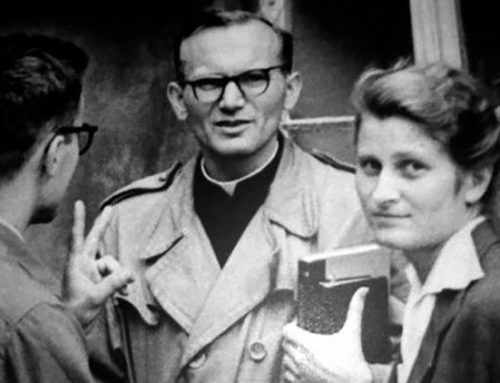
Seventy years ago, the first organ donation for transplantation took place in Italy, when Blessed Father Carlo Gnocchi requested that, after his death, his corneas be harvested and transplanted into two very young patients cared for by his charitable organization, allowing them to regain their sight. This gesture, made at a time when comprehensive legal regulations were still lacking, sparked widespread reflection in Italian society and contributed to the establishment of a clear legal framework.

Just weeks after Father Gnocchi's gesture, Pope Pius XII provided the first moral guidelines on these matters, recognizing the permissibility of organ donation for therapeutic purposes while respecting the dignity of the human body and the rights of the individuals involved. From the very beginning, therefore, the Church's reflection has accompanied the development of transplantology, recognizing its value while defining the necessary ethical criteria.

Since then, the intensive development of scientific research and human commitment have allowed the Italian Transplantation Network to achieve significant results, recognized internationally. These achievements are based not only on extensive expertise but also on a culture of responsibility and trust, which must be safeguarded and cultivated.

In the encyclical Evangelium vitae, Saint John Paul II recalled that among acts promoting the culture of life, "a particularly praiseworthy example […] is the gift of organs, made in an ethically acceptable manner" (no. 86). This is an act that combines the generosity of the gift with the accompanying moral responsibility. The Catechism of the Catholic Church, for its part, states that "the sincere gift of organs after death is a noble and praiseworthy act; it is to be encouraged as an expression of generous solidarity" (no. 2296), while also recalling the need to obtain consent and respect the dignity of the person. Vigilance is always necessary to avoid any form of treating the human body as a commodity and to ensure that transplants are carried out based on fair and transparent criteria.
Lukasz B. Pilarz