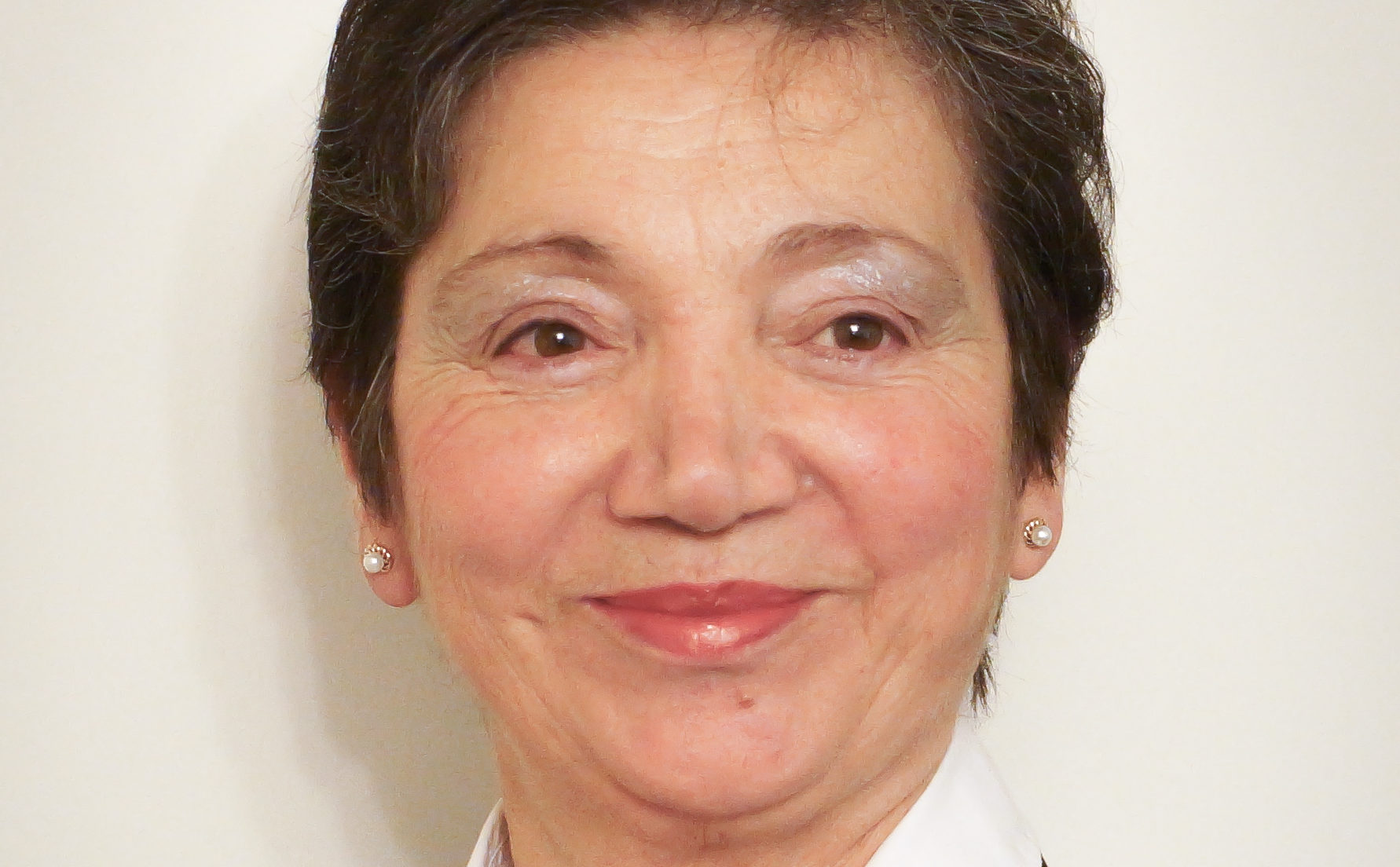
Anne Lastman
Recently I responded to a call from a counselling colleague who said that she has a client whom she has counselled for 8 months and still there doesn’t seem to be much progress made. She sees her client every two weeks but the client is unable to continue because of financial issues Would I be able to help her to try and understand why her client doesn’t seem to be making progress. She doesn’t want her client to leave feeling un helped in some way.
Counselling of Abortive Individuals.
Over the past thirty-35 years much has been written and spoken about abortion and its after effects. Prior to this time abortion still remained a “whispered subject”. Something which was happening, and someone knew of someone who had had an abortion, but it remained unspoken. Still shame felt.
Beginning from mid nineteen eighties the whisper slowly became a loud murmur. First in America, Australia, UK and Europe. First about the abortion itself then the aftereffects which were beginning to also be spoken about. The death of an infant was beginning to be openly acknowledged by pro-lifers, those who believe that all life is sacred, but denied loudly by anti-lifers who insisted (and continue to do so) that abortion is nothing but a minor procedure and removal of a bunch of cells, tissue, product of conception, and other euphemisms. To these chanters abortion is simply a woman’s choice with the help of her doctor. Slowly a language developed around “my body my choice” and by this stage few women were courageous enough to come forth and speak openly about having had the procedure and the effects on her mental, physical and spiritual health, and an unrelenting grief.
Whenever a woman came forth she immediately became harassed, vilified, harangued and she retreated again carrying her pain.
Further, what began to quietly emerge was what could therapists do? How to treat such grief, different than other grief. Counsellors understood the word “grief.” However, this was very much a work which was not exactly looked for and there were at times disparaging comments made about this new grief, and the proliferation of this kind of work. Untrained“counsellors” (volunteers) emerged, unsupervised, and attempting to deal with grief. At times it was someone who had had an abortion herself and spoke out and was considered an expert. Interesting, before I began this work I studied Psychology, counselling major, not really knowing why I decided on that. I had always (as far back as junior school) wanted to be a university lecturer in theology, so psychology was a surprise, but the units sounded interesting so I went with that.
In the early stages of my involvement with prolife work, I also underwent a time of healing with a priest psychologist, who later said “now you go and do to others what the Lord has done for you.” Haltingly I started and slowly came to the realization that this might be what the Lord actually called me to, (charism not a job) having experienced abortion myself and indeed there are definitely after effects to a lesser or greater degree, and from this now acknowledged experience emerged post abortive women who felt a need to volunteer to “become counsellor” to help in this “vital work.” The desire I believe was genuine but it led to pro abortionists being able to call into question the very real pain.
It must be understood that this work was at the very beginning, and even though I had studied counselling it was new to me to. it’s important to know whether an individual feels called to this difficult grief work, or it’s an empathetic knee jerk reaction, to want to help. This work is steeped in broken ness. Time eventually sorted out those who were called to this work and those who, though caring, were not.
Because of the nature of post abortion trauma and the complicated type of grief related to this experience is unique, it requires special knowledge and care. Time. It’s not an eight-session government assisted sessions. It’s a pain unlike any other and requires long term care. It requires someone who will be able to hear what is being said and what is being left unsaid, and to understand what is left unsaid that is causing the grief. It requires an understanding of fetal development and death, and intentional fetal death and its connection to God’s laws and the natural law and the outcome as a consequence of the violation of those laws. It requires an understanding of guilt and its warping mechanisms. It requires an understanding of shame and its isolationist mechanisms. It requires a deep and abiding love of God and an understanding of this kind of love that can heal and restore one not to the original innocent state but to something equal but different. And it requires an understanding of the individual’s own inherent goodness, dignity, integrity which has been violated but which demands acknowledgement and need to grieve such a loss.
Soon the marketplace began to market a flotilla of “how to heal post abortion grief” therapists, manuals, ideas, suggestions etc. It’s my very ultra humble opinion that this was/is dangerous because varying opinions are posited and eventually confusing. Am I a counsellor or an activist. These two become enmeshed. I believe that correct training not only in counselling techniques but study of the whole human person, including the theology of the human body and being, is imperative.
When dealing with an abortive woman we are dealing with someone who has intentionally taken her own baby to be killed. When this reality is crystallized, for them it becomes psychically and spiritually intolerable. We know that the woman has now woken to the reality of what she has done and her distress usually begins with a triggering event. This manifests for her, her own reality. It’s the grief experienced when hearts, minds, souls mourn a loss of one of inestimable value. Even if at the surface level this belief is not clearly vocalized, ontologically it’s what is believed, and healing manuals, and untrained individuals (counsellors) may unwittingly exacerbate the condition by not being able to manage the moment of realization.
One thing I believe is very important is that abortion grief should not be done in any other way but face-to- face and should not be undertaken by someone who is not “life friendly”. Again, whilst the intention to be post abortion grief counsellor and intention may be good, good intentions will not be able to help a post abortive woman who feels that the therapist does not believe that her baby was a baby, and that she be told that she(client) did the right thing for that time and counsellor does not believe that her baby is not worthy of being mourned and that she herself is responsible for making a choice for her own self. That her grief is illegitimate and related to other issues which the abortion triggered.
A counsellor who is pro-abortion or even pro-choice will not understand a woman’s acute grief over her contribution to the death of her baby. Again, it is important to know that where there is multiple abortions there are usually other anti-life events in the life of the individual and it’s these “other” events which do fuel the severity.
Giving someone permission to speak about their abortion also gives them permission to open wounds, which have hitherto remained closed. Dealing with these “other” wounds then requires priority before beginning to deal with the abortion grief One trauma led to another.
As previously said, abortion grief counselling is not a smooth-running series of sessions. Indeed, every session, especially in the beginning, will be very difficult and the counselee often needs assistance just to arrive at the counselling rooms Post Abortion grief and regret can last a lifetime and this must also be worked into the understanding of the counselee. Be made a part of her history. Healing definitely is possible; however, it is usually a painful experience and not necessarily fast. God is always ready to heal but the desire of the individual to be healed must be present and the learning from the experience must also be in the process of taking place. It’s not simply the counsellor’s well-meaning desire which heals the wounded individual but ultimately something within the counselee which brings him/her to the kairos moment. It’s the journeying, mourning together (counsellor and counselee) towards that moment when the suppressed inherent goodness of the human person is given expression and from this and other losses and subsequent mourning follows a new dimension of growth and understanding about life. Without this end, only band-aids have been applied.
Return to the above question from colleague about there being a stalling in her client’s progress; Every client will reach a point where there is overload. A place where there is a sensed difficulty and refusal to go on. “too much, nothing is getting better” (says client)
This point in sessions requires a stop, not medication to dull the pain, but stop for several sessions or 2-4 weeks without the need to talk more about the abortion/s. A time not even to reflect but a time just to walk and “smell the roses” (as we say) but not a permanent cessation of sessions. My way of dealing with such a time, which I have seen coming, is to make appointment time as usual but not to talk about her abortion, but her day-to-day life. A coffee in a pleasant place, family (if she has one) Job (if she has one) just a normal day and life. Two or three sessions of this (with me) so that even though she doesn’t realize it, her emotions are given rest from trauma, cortisol levels reduce, and fears subside. It’s important not to suggest that sessions cease and she returns in 4-6 weeks because the result is that she will not return and work done will remain incomplete and the red latex one (enemy of human being)will return to taunt to her.
There is a need to understand that irrespective of time in counselling sessions, time will be needed for emotional rest.
At this point I need to admit that over 30 years of my work I never once charged a fee. I had no need to and I knew that this would be long challenging work needing many sessions and without funds the client would cease for lack of funds. So, I made a deal with the big Boss (Jesus) that He provides the money for all expenses office, travel, conferences etc. and I would do the work. Personally, my husband took care of all necessaries at home. So, it was easy. I also began a newsletter Broken Branches (138 x8 pages) which brought generous supporters. So, Jesus was faithful to me and the work. He touched the hearts of hundreds of good people to support the work, and they did. In this way I could help the client better when they knew that they didn’t have to find the money to attend sessions. I explained I had supporters. To allow for 3-4 week break from talking about her baby and just to breathe helped much especially when some triggering event brought up her part in the decision. The longest time woman came was for 4 years (much sexual abuse by family members) the shortest 17 weeks and then she left for overseas and marry there. She wanted to conclude this part of her story before beginning a new one and it was concluded with a beautiful saying “goodbye” ceremony in the hills of Melbourne.
The response to my colleague is that there will be one or more times when a short break is necessary because it has become too much and for a predetermined time for a return to normal sessions, though not to be surprised if she doesn’t return. The momentum has broken.
Over the 30 years I have developed, learned what works and what doesn’t. Can recognize those who come to please someone and those who come because they feel need to be listened to and their grief acknowledged.
It’s also important to do various steps like name child (prayer involved) how to do this. From then on whenever we refer to her baby we call him/her by name. How to make memorial box, frame, something beautiful to be kept till the opportune time to let it go, (if ever) and at the conclusion it’s important to have a saying goodbye ceremony, this time not in force and anguish but gently goodbye (baby’s name) we’ll meet again.
This can be religious (their own belief) or in natural surroundings, water, trees, beach, or a plaque.
This work is the most beautiful work in our day. Reconciling a mother and her baby. She can continue to remember but not in pain, to just remember “Miriam, Joe,” they passed by for short time, touched her heart (and left) and just as she would remember someone loved, who passed away she can remember her child. It’s a valid grief leading to a beautiful memory not self-destruction or a life lived in pain because her own intentional loss.